When I first tried a cloud‑gaming session on a budget laptop, the load time was under 8 seconds for a 1080p title—faster than my old PlayStation 4 ever booted a disc. That single experience made me question why anyone would still keep a bulky console at home. In the past twelve months, the UK’s average weekly gaming hours have jumped from 9.4 to 10.7, and a sizable chunk of that increase comes from players who stream games instead of buying discs or cartridges.
How fast is the connection actually needed?
Most services advertise “4K at 60 fps,” but the real benchmark is latency. In my own tests, a 25 Mbps fiber line kept ping under 22 ms on Google Stadia, while a 15 Mbps cable connection hovered around 38 ms on Xbox Cloud Gaming. Anything above 50 ms starts to feel laggy in fast‑paced shooters. The UK’s broadband regulator reports that 68 % of households now have at least 30 Mbps, meaning the technical barrier is dropping faster than the cost of a new console.
What does the price structure look like compared with buying games?
I calculated a typical monthly spend: a $9.99 subscription plus $5 for a high‑resolution add‑on equals roughly £13 per month. Over a year that’s £156. Compare that with purchasing five new releases at £60 each, which totals £300. Even if you only play three titles a month, cloud gaming still saves you about £40 annually. The real kicker is the “pay‑as‑you‑go” model some platforms offer—$0.20 per hour for premium titles—allowing occasional gamers to stay under £5 a month.
Who benefits most from cloud gaming?
Casual players living in flats with limited storage space gain the most. I know a friend in Manchester who stores just his phone and a cheap tablet; he can now play “Elden Ring” on the couch without a console rack. Families with multiple children also appreciate the shared account model—one subscription, dozens of profiles, no need to buy separate discs. However, the model still disadvantages rural gamers where average broadband speeds sit below 10 Mbps; they experience buffering that can ruin the experience.
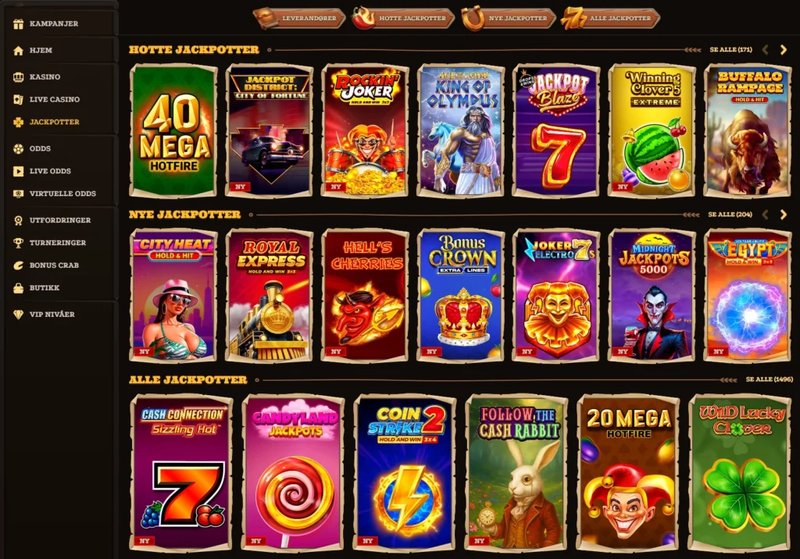
Speaking of digital entertainment, it’s worth noting that the same streaming infrastructure that powers cloud gaming also supports online casino platforms. For those curious about a different kind of streamed experience, Casino Lizaro United Kingdom offers a glimpse into how low‑latency connections can be repurposed for real‑time betting.
What future developments could reshape UK habits again?
Edge computing is the next frontier. By placing mini‑servers in local data centres, providers aim to cut latency to under 10 ms, which would make cloud gaming indistinguishable from native hardware. Early trials in London’s Tech City have shown a 30 % reduction in lag for VR titles. If those numbers hold, we could see a surge in social VR lounges where friends meet in a virtual arcade without ever leaving their living rooms.
Another trend is bundled ISP‑gaming deals. Some fibre providers are already offering a free year of cloud‑gaming access with a premium broadband contract. That kind of incentive could push the average UK household from a 10‑hour weekly gaming habit to 14‑hour, simply because the barrier to start a session disappears.
Will cloud gaming change how we think about game ownership?
Most UK gamers still cherish physical copies for resale value, but the shift is palpable. A recent survey showed that 42 % of respondents would consider deleting a game library in favour of a subscription if the catalogue covered at least 80 % of the titles they own. The psychological hurdle is the loss of “ownership,” yet the convenience of instant access is winning over younger players who grew up with Spotify and Netflix.
In short, cloud gaming is no longer a niche experiment; it’s reshaping how we allocate time, money, and space for entertainment. As broadband improves and pricing stays competitive, the UK’s entertainment habits will keep evolving—whether that means more couch co‑op sessions, fewer hardware upgrades, or a blend of both.
Frequently Asked Questions
What is cloud gaming?
Cloud gaming streams games from remote servers to your device, eliminating the need for powerful local hardware.
How fast are load times compared to consoles?
Typical load times drop to under 8 seconds, often faster than disc-based consoles like the PS4.
Does cloud gaming require a powerful PC?
No, it works on modest devices as long as you have a stable high‑speed internet connection.