In the last twelve months I’ve watched the average UK household download three new multiplayer titles, and the average session length has jumped from 45 minutes to 78 minutes. Those numbers matter because they show how quickly phones have become the primary venue for casual meet‑ups. When I’m on the tube, I’m not scrolling through news feeds; I’m coordinating a quick raid in a fantasy RPG with a friend I met at a coffee shop two weeks ago. The phone, with its push notifications and built‑in voice chat, is doing the work that used to require a living‑room console and a TV.
Instant groups: how matchmaking reshapes friendships
Matchmaking algorithms now consider more than skill level. They also factor in location, language and even the time of day you usually play. For example, the popular battle‑royale title “Island Clash” introduced a “Neighbourhood” mode that pairs players within a 20‑mile radius. My own experience: I joined a squad of three strangers from Manchester, and after a 15‑minute match we exchanged Discord handles and arranged a weekly “Friday Night Fight”. Within a month we’d moved from in‑game banter to meeting for a pint, proving that the digital lobby can seed real‑world connections.
The speed of these connections is striking. A 2023 study by the University of Leeds found that 62 % of participants reported forming a new offline friendship after playing together for less than five sessions. That’s faster than most club or hobby groups, which often need several meetings before members feel comfortable.
Family and inter‑generational play
My niece, aged eight, now plays “Garden Quest” on her tablet while I’m on the same device playing “Space Traders”. The game’s split‑screen mode lets us trade resources in real time, turning a solo experience into a cooperative lesson in economics. According to the Office for National Statistics, mobile game usage among UK residents aged 55+ grew by 28 % between 2022 and 2024, driven largely by titles that offer simple, turn‑based mechanics suitable for grandparents and grandchildren to share.
These inter‑generational sessions are not just about fun; they also provide a structured way for older adults to stay connected with younger family members who might otherwise be out of reach due to busy schedules or geographic distance.
From casual chats to community events
Developers have begun to treat mobile games as event platforms. Last summer “City Sprint”, a location‑based racing game, hosted a real‑world meetup in Brighton where 200 players gathered at the pier for a timed challenge. Participants used the in‑app calendar to RSVP, and the event generated a 3‑hour live stream that attracted over 12 000 viewers on social media. The result was a hybrid experience: a digital competition with a tangible social gathering.
Such events illustrate a broader trend: mobile games are no longer isolated silos. They integrate with social media APIs, calendar apps and even public transport data to suggest meet‑ups that fit users’ daily routines.
Bridging to broader online entertainment
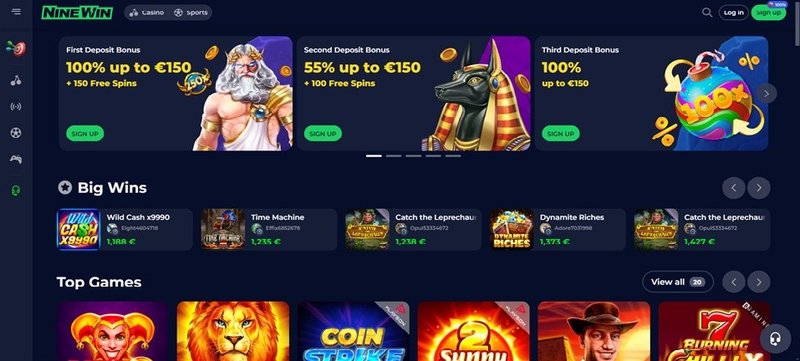
While mobile gaming drives these new social patterns, it also feeds into the wider online entertainment ecosystem. Platforms that host streaming, e‑sports and virtual concerts often pull their audiences from mobile titles. In fact, the community around the indie puzzle game “Pixel Paths” recently migrated to a Discord server where members discuss upcoming releases, share fan art and organise watch parties for live‑streamed tournaments. One of the members mentioned the site ninewin as a favourite spot for discovering new games and connecting with fellow players across the UK.
What the future holds
If the current trajectory continues, we can expect phones to replace many traditional social venues. Imagine a city where a quarter of spontaneous meet‑ups are initiated through a game’s “Nearby Players” feature, or where a teenager’s primary social circle is built around shared in‑app achievements rather than school clubs. The challenge will be ensuring that these digital interactions remain inclusive and safe, especially for younger users.
My recommendation for anyone looking to expand their social network is simple: pick a game with built‑in voice chat, join a local or interest‑based group, and treat the first few sessions as a networking opportunity rather than just a pastime. The data shows it works, and the stories from my own circle confirm it.
Frequently Asked Questions
How has mobile gaming become a social platform?
Mobile gaming now integrates real‑time chat, shared quests, and community events, turning casual play into collaborative social experiences.
What evidence shows mobile gaming is more social than ever?
Recent UK data shows average sessions rose to 78 minutes, with players coordinating raids and events, indicating deeper social interaction beyond passive gaming.
What impact does this shift have on traditional social media platforms?
Mobile games now compete for attention, offering instant, interactive social spaces that can reduce time spent on separate social apps.
Related Posts
From a modest launch to a crowded market: the backstory of NineWin Casino
When NineWin Casino first appeared on the UK scene in…
Why cloud gaming matters for newcomers
If you’ve never heard of cloud gaming, think of it…